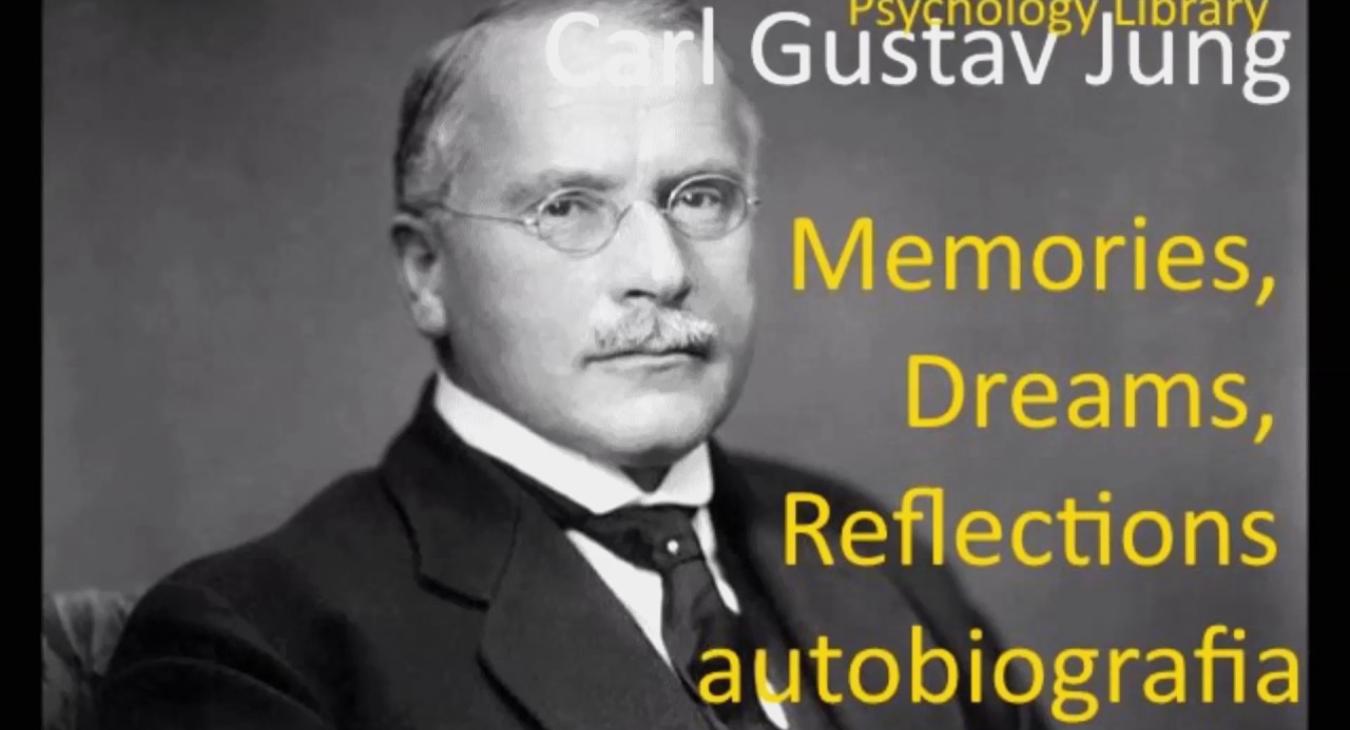
"Memories, Dreams, Reflections" serves as both a memoir and a philosophical exploration, offering profound insights into Jung's thoughts on the human psyche. It remains an essential read for those interested in psychology, spirituality, and the complexities of the human experience.
The book is structured as a series of reflections, memories, and dreams that Jung recorded over his lifetime. It includes sections written by Jung himself, as well as conversations with his close associate Aniela Jaffé, who helped compile and edit the material. The book is divided into five main parts, focusing on various aspects of Jung’s life, including his childhood, his early career, the development of his theories, and his later years.
Key Themes:
- Personal History: Jung shares anecdotes from his childhood, his family background, and formative experiences that shaped his understanding of psychology and spirituality.
- Dream Analysis: Dreams play a central role in Jung's work, and he discusses several of his own dreams, interpreting their significance and their connection to the collective unconscious.
- Archetypes and the Collective Unconscious: Jung elaborates on his concept of the collective unconscious, a shared pool of memories and archetypes common to humanity. He explains how these archetypes manifest in dreams, myths, and art.
- Psychological Development: The book explores Jung's journey as a psychologist, his break from Freud, and the development of his own theories, including individuation, which is the process of integrating different aspects of the self.
- Spirituality and Religion: Jung reflects on the interplay between psychology and spirituality, emphasizing the importance of personal meaning and the search for wholeness in one’s life.
- Nature and the Unconscious: He discusses his deep connection to nature and the influence it had on his psychological outlook, highlighting the importance of nature in understanding the psyche.