Buddhism is a religion and philosophy founded in ancient India and based on the teachings of Siddhartha Gautama, who is known as the Buddha. It is a nontheistic tradition that emphasizes the cultivation of mindfulness, wisdom, and compassion through the practice of meditation and the adoption of ethical principles.

The central teachings of Buddhism are known as the Four Noble Truths, which state that suffering is an inherent part of life, that the cause of suffering is craving and attachment to impermanent things, that suffering can be overcome through the cessation of craving and attachment, and that the path to the cessation of suffering is the noble Eightfold Path. The noble Eightfold Path consists of right understanding, right intention, right speech, right action, right livelihood, right effort, right mindfulness, and right concentration. Buddhists believe that following the noble Eightfold Path leads to the attainment of nirvana, a state of perfect peace and enlightenment.

In addition to the Four Noble Truths and the noble Eightfold Path, Buddhism also teaches the concepts of reincarnation and karma. It is a way of life that encourages individuals to cultivate inner peace and overcome suffering through ethical living and the cultivation of wisdom and compassion.

Buddhism Texts, Tubes & Books


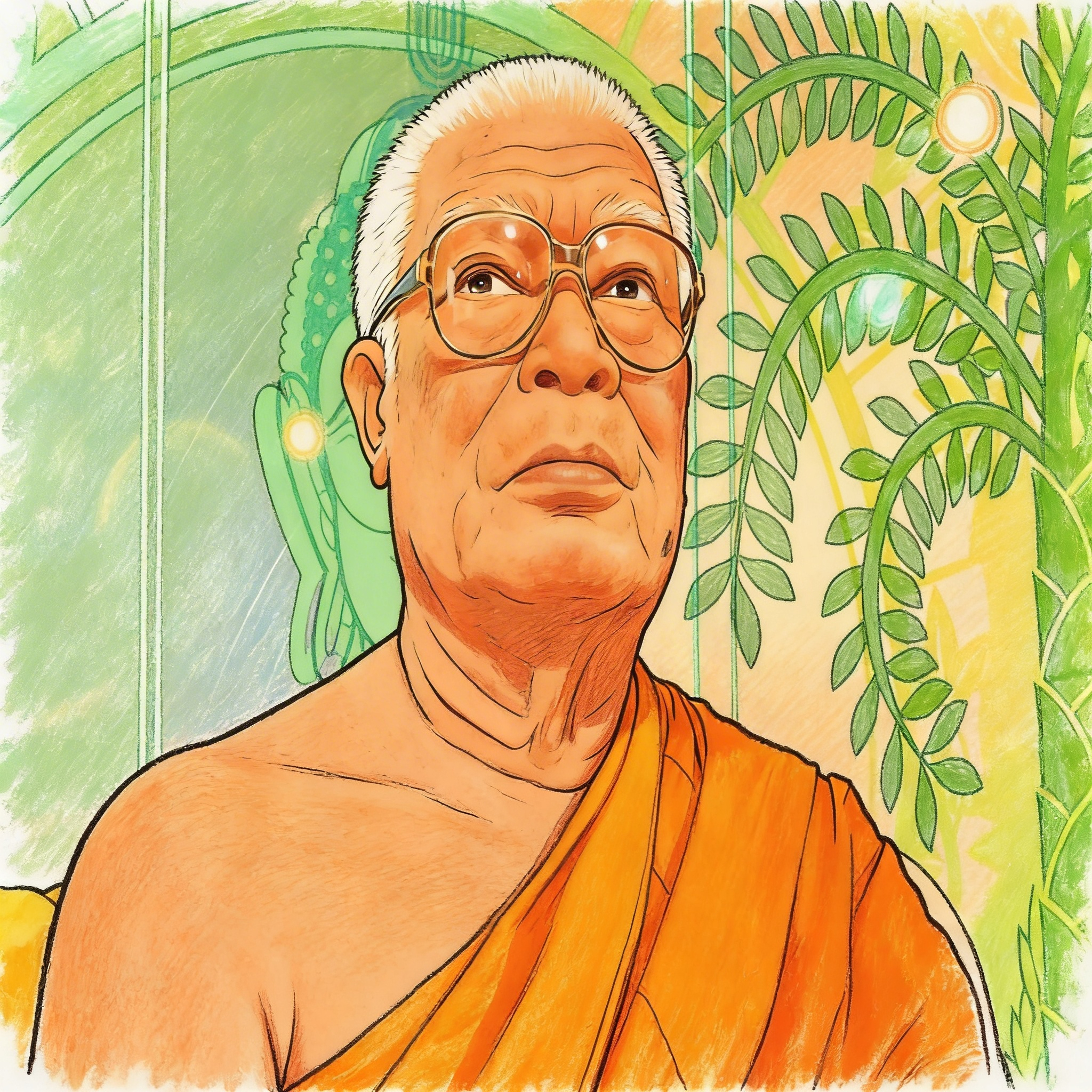
Buddhadasa Bhikkhu

Heartwood of the Bodhi Tree

In his profound and accessible book, "Heartwood of the Bodhi Tree: The Buddha's Teachings on Voidness," Ajahn Buddhadasa delves into the central concept of sunnata, or voidness, which forms the cornerstone of Buddhist philosophy. He elucidates this complex doctrine in simple and relatable terms, making it accessible to a wide audience.

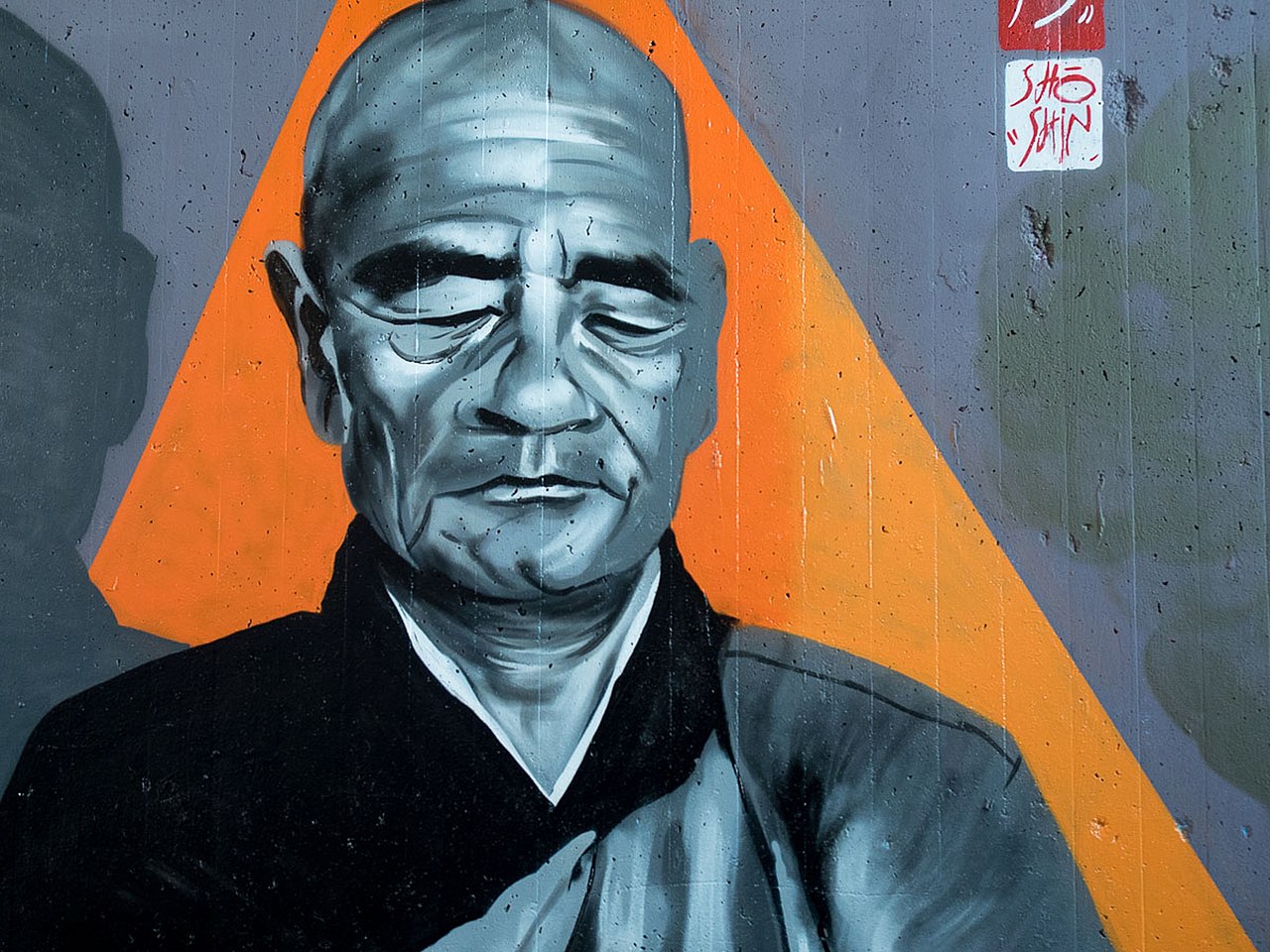
Eihei Dōgen

Shōbōgenzō

The "Shobogenzo" is a foundational text in Zen Buddhism, written by the 13th-century Japanese master Dogen Zenji. Dogen emphasizes the realization of enlightenment in everyday life, asserting that enlightenment is not a distant goal but an integral part of daily experience.

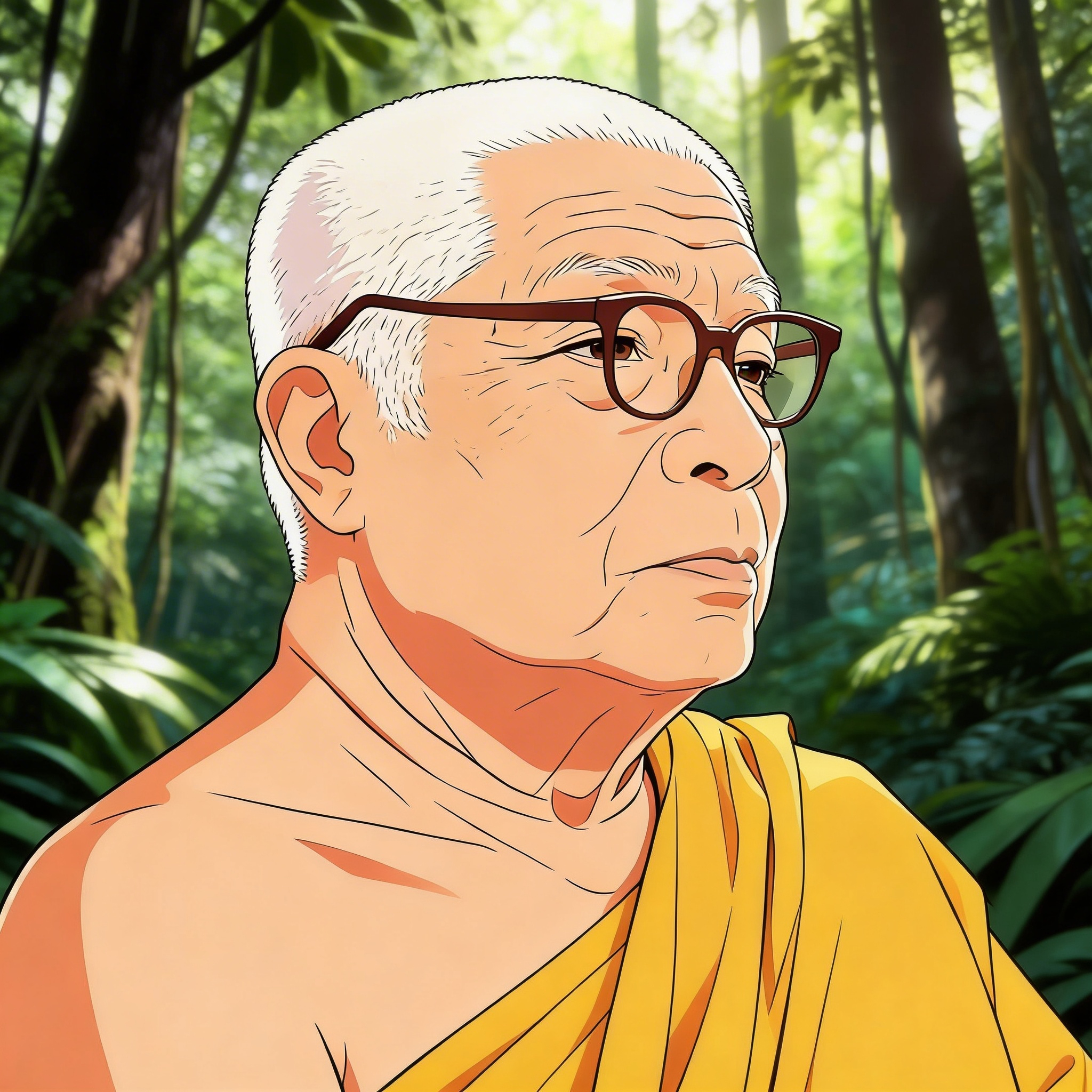
Suan Mokkh

No Religion

Buddhadasa Bhikkhu's "No Religion" asserts that all true religions are essentially one, focused on eradicating selfishness and suffering. It advocates transcending labels and rituals, emphasizing direct experience and non-attachment to the ego as the universal path to liberation. The book urges unity by focusing on shared core principles that go beyond superficial religious differences.

Shunryu Suzuki

Zen Mind, Beginner's Mind

Shunryu Suzuki's "Zen Mind, Beginner's Mind" teaches approaching life with an open, non-judgmental "beginner's mind." It emphasizes consistent meditation (zazen) and integrating mindfulness into daily life. The book guides readers to cultivate direct experience, present moment awareness, and non-attachment, revealing one's true nature beyond striving.

Hubert Benoit

Zen and the Psychology of Transformation

Man cannot live fully until he has considered the great questions of life. The approach of psychology and psychotherapy is based on "statistical normality," or the behaviour of the greatest number. In an effort to conform, we focus on our problems rather than our possibilities. Oriental thought, and Zen thought in particular, seeks to activate the true potential of men and women, to transform our lives, and thereby enable us to shed our problems and suffering.

Taisen Deshimaru

Sit

This book answers pressing questions and provides vital instruction and inspiration for both beginner or long-time Zen practitioners and those using meditation as part of their spiritual path.

Buddhadasa

Me and mine

Buddhadasa's "system" of thought, if we may call it that, is not conceived as a scheme to explain all that is worth explaining. Rather, it reflects his continuous effort to interpret the dhamma and make it relevant to particular times, places, persons and events. It begins with such basic questions as "Who am I?", "How can I live a meaningful life?" and "What is true freedom?".