Taisen Deshimaru: Following the Cosmic Truth
The Bodhidharma of the Modern Age
- Read more about Taisen Deshimaru: Following the Cosmic Truth
- Log in to post comments
Meditation is a practice that involves focusing the mind on a specific object, thought, or activity in order to increase awareness and clarity of the present moment. It is often associated with spiritual or religious practices, but it can also be done for secular purposes such as stress reduction and relaxation.
There are many different types of meditation, including mindfulness meditation, which involves focusing on the present moment without judgment, and concentrative meditation, which involves focusing on a specific object or activity such as the breath or a mantra. Other types of meditation may involve visualization, body scan techniques, or movement practices such as yoga or tai chi.
Meditation is typically done in a quiet, comfortable setting, and involves finding a comfortable position and focusing the mind. It can be done for a few minutes or for an extended period of time, depending on the individual's preference and goals.
The benefits of meditation are numerous and have been well-documented. It has been shown to reduce stress and anxiety, improve concentration and focus, and promote a sense of well-being and relaxation. It can also improve physical health by lowering blood pressure and heart rate, and reducing inflammation.
Shunryu Suzuki highlights, that the characteristic of Buddha’s teaching is to go beyond things. “Things” means the various being and the various ideas we have. When we go beyond the objective and subjective world we come to the understanding of the oneness of everything. The oneness of subjectivity and objectivity, the oneness of inside and outside.
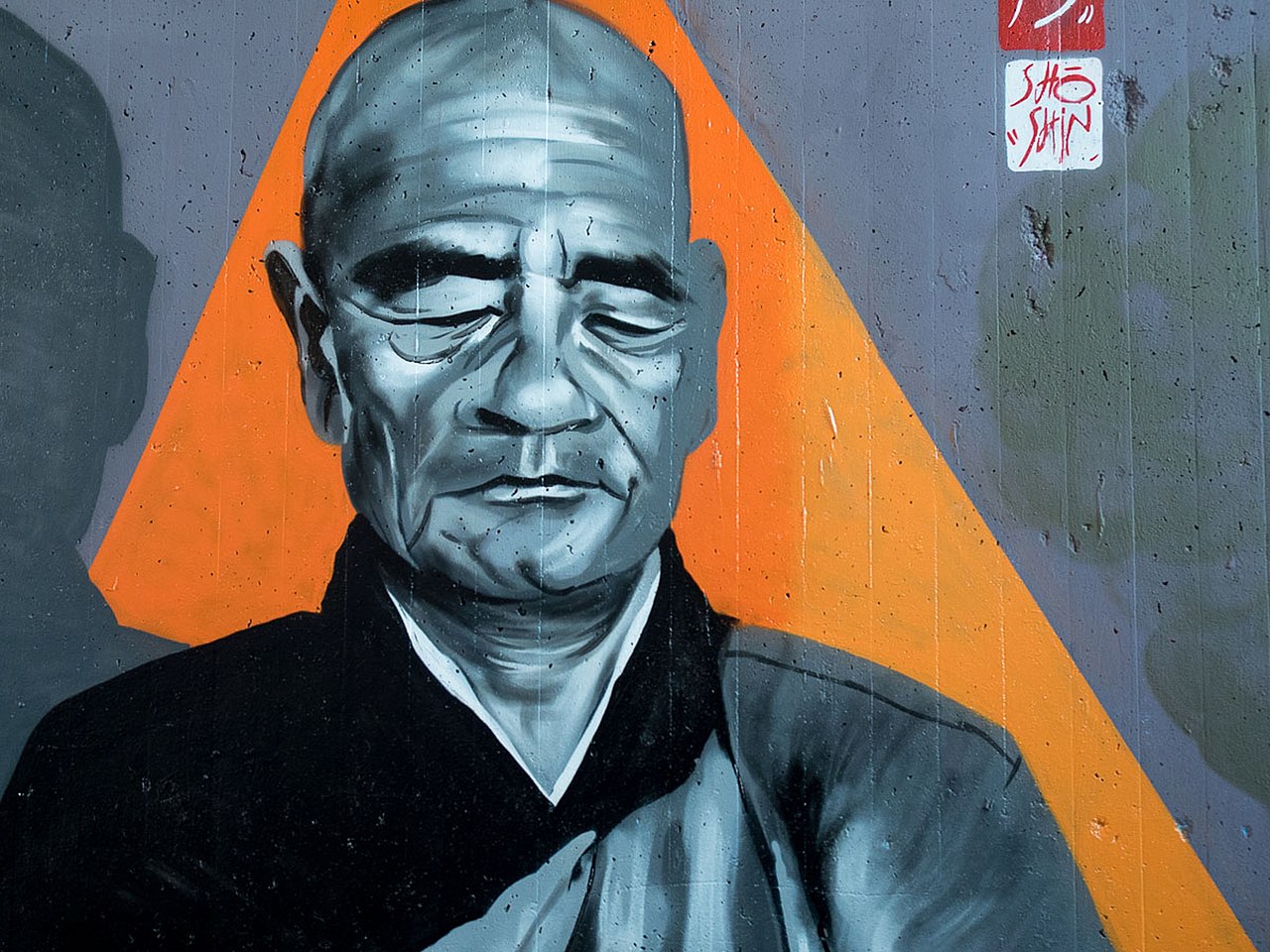
Thich Nhat Hanh explains, that our suffering comes from our wrong perceptions, from our misunderstanding. The practice of meditation, the practice of looking deeply has the purpose of removing wrong perceptions from us. If we are able to remove our wrong perceptions we will be able to be free from the afflictions and the sufferings that always arise from wrong perceptions.
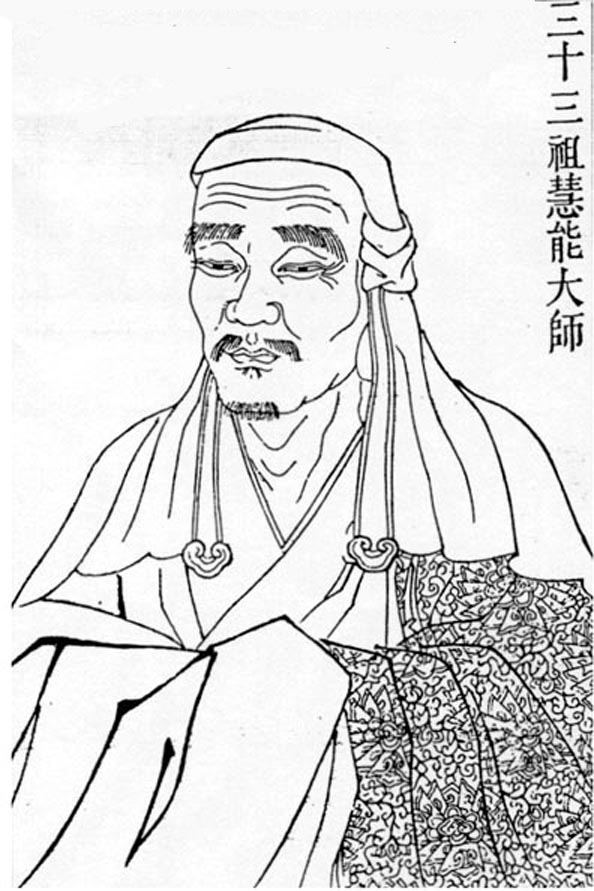
The Platform Sutra presents the life and work of Hui-neng, the controversial sixth patriarch of Zen, and his understanding of the fundamentals of a spiritual and practical life.
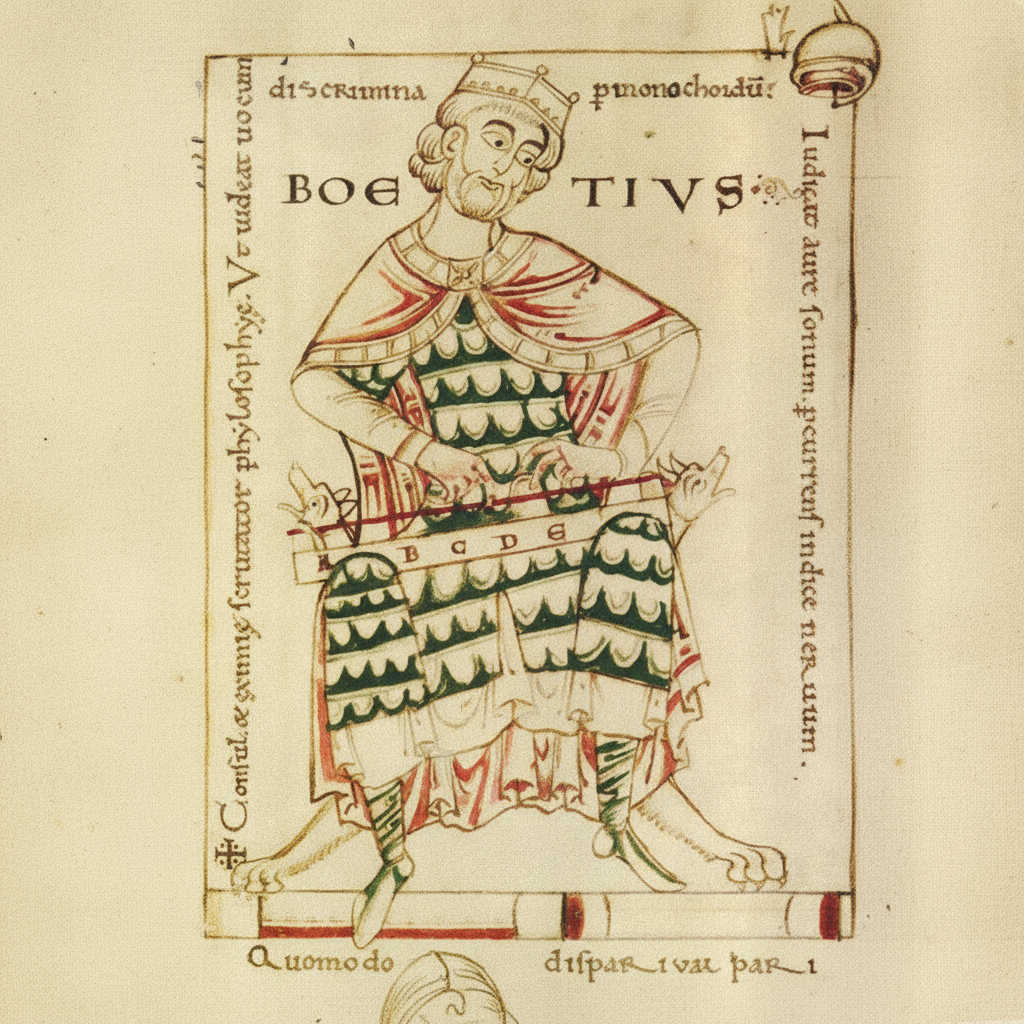
Boethius writes the book as a conversation between himself and Lady Philosophy. She consoles Boethius by discussing the transitory nature of fame and wealth, and the ultimate superiority of things of the mind, which she calls the one true good.
The "Shobogenzo" is a foundational text in Zen Buddhism, written by the 13th-century Japanese master Dogen Zenji. Dogen emphasizes the realization of enlightenment in everyday life, asserting that enlightenment is not a distant goal but an integral part of daily experience.
Shunryu Suzuki's "Zen Mind, Beginner's Mind" teaches approaching life with an open, non-judgmental "beginner's mind." It emphasizes consistent meditation (zazen) and integrating mindfulness into daily life. The book guides readers to cultivate direct experience, present moment awareness, and non-attachment, revealing one's true nature beyond striving.
This book answers pressing questions and provides vital instruction and inspiration for both beginner or long-time Zen practitioners and those using meditation as part of their spiritual path.
In this beautiful and lucid guide, Zen master Thich Nhat Hanh offers gentle anecdotes and practical exercise as a means of learning the skills of mindfulness--being awake and fully aware.
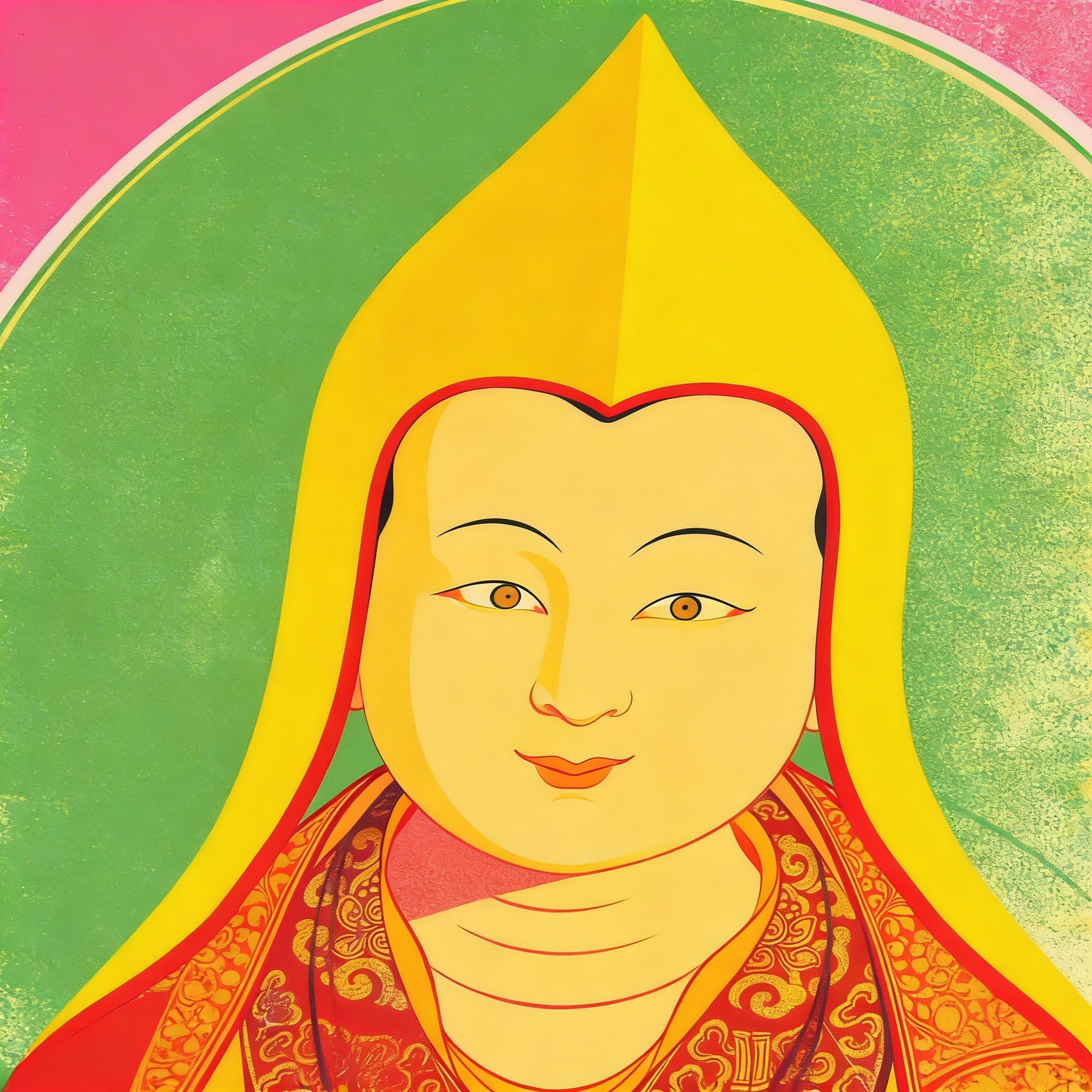
Balancing the Mind includes a translation of the classic discussion of methods for developing exceptionally high degrees of attentional stability and clarity by fifteenth-century Tibetan contemplative Tsongkhapa.