- Log in to post comments
Where Philosophy Becomes a Way of Living
Platform Sutra of the Sixth Patriarch
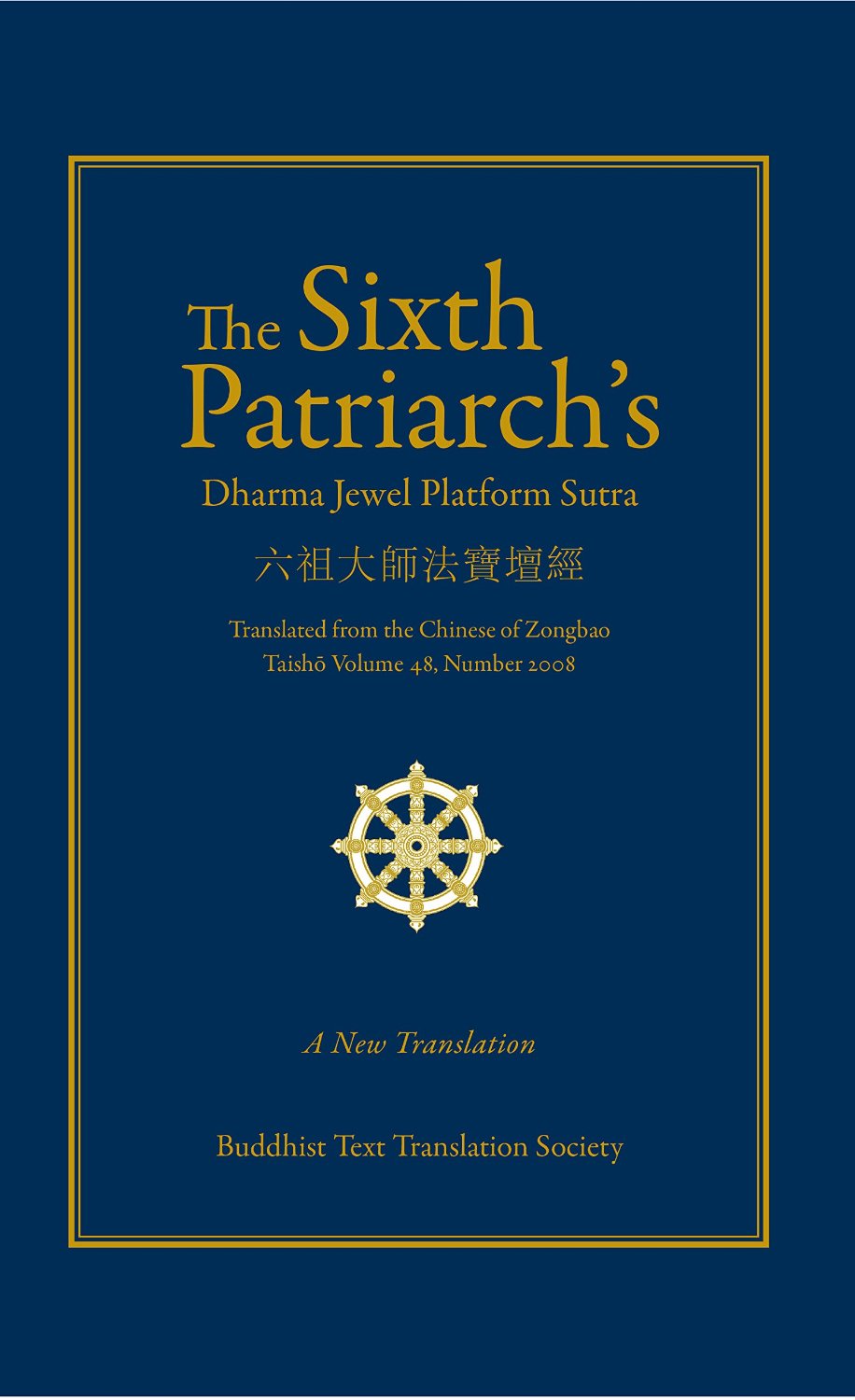
Platform Sutra of the Sixth Patriarch
Dajian Huineng
The Platform Sutra presents the life and work of Hui-neng, the controversial sixth patriarch of Zen, and his understanding of the fundamentals of a spiritual and practical life.
The Platform Sutra of the Sixth Patriarch (also known as the Platform Sutra of Hui-neng) is a foundational text in Chan Buddhism (which later evolved into Zen Buddhism in Japan). It records the teachings and life story of Hui-neng (638–713 CE), the Sixth Patriarch of Chan Buddhism, and his transmission of the Dharma (teaching) from his master, the Fifth Patriarch Hongren. The text emphasizes the direct experience of enlightenment and the nature of the mind, offering a practical path to awakening.
The Platform Sutra is a key text for understanding the radical teachings of Chan (Zen) Buddhism, particularly Hui-neng’s emphasis on the immediacy of enlightenment and the non-dual nature of reality. It presents a path to enlightenment that is direct, free from attachment to forms, and centered on the direct experience of the mind's true nature. The work challenges traditional views of Buddhism and offers a powerful alternative vision of spiritual practice, focusing on inner wisdom and spontaneous realization.
The Platform Sutra is celebrated not only for its philosophical depth but also for its practical teachings on meditation and awakening, and it remains one of the most important texts in the Chan and Zen traditions.